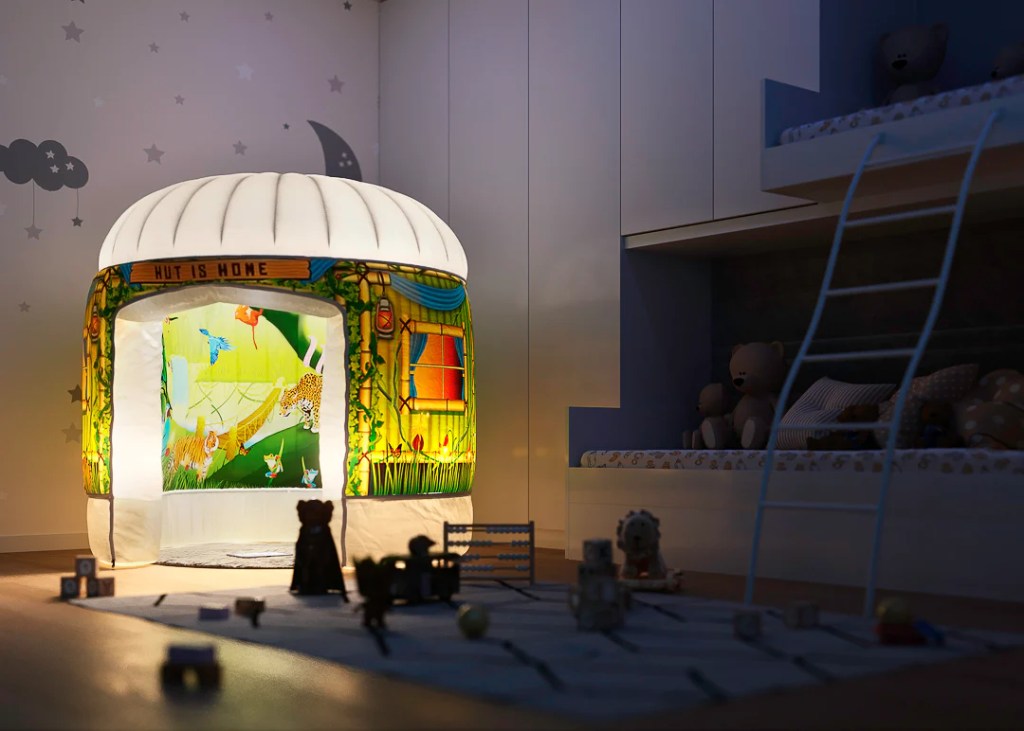
A sensory room is a specialized space designed to provide individuals with a safe and controlled environment to engage their senses. Sensory rooms or sensory pod are particularly beneficial for individuals with sensory processing difficulties, such as those with autism or sensory integration disorder. However, they can also benefit individuals without such conditions, as they can promote relaxation, reduce anxiety, and enhance cognitive development. In this blog, we’ll explore some sensory room ideas to create a calming and stimulating environment for all ages.
Choosing the Right Space
The first step in creating a sensory room is choosing the right space. Ideally, the room should be away from distractions and noise, with natural light and proper ventilation. The room should also be easily accessible and safe, particularly for children. Consider factors such as flooring, lighting, and temperature control when choosing a space.
Sensory Lighting
Lighting plays an essential role in sensory rooms, as it can impact mood and behavior. Consider installing dimmer switches, colorful LED lights, or fiber optic lights to create a calming or stimulating environment. You can also incorporate light projectors or bubble lamps to provide a relaxing and engaging visual experience.
Sensory Equipment
Sensory equipment is an essential component of any sensory room. Consider incorporating items such as crash pads, balance boards, swings, or therapy balls. These items can provide proprioceptive input, which can help individuals regulate their body movements and enhance their sensory awareness.
Textures and Tactile Objects
Textures and tactile objects can also enhance sensory experiences. Consider incorporating items such as textured wall panels, weighted blankets, or sensory bins filled with various textures such as sand or rice. You can also incorporate scented items such as aromatherapy diffusers or scented playdough to engage the olfactory senses.
Sound and Music
Sound and music can have a profound impact on mood and behavior. Consider incorporating music players or white noise machines to provide a calming or stimulating auditory experience. You can also incorporate musical instruments such as drums, shakers, or chimes to promote creative expression and engagement with sound.
Sensory Integration Therapy
Sensory integration therapy is a specialized therapy designed to help individuals with sensory processing difficulties. It involves engaging the senses in a controlled and structured environment to promote sensory processing and integration. Consider incorporating sensory integration therapy equipment such as swings, hammocks, or balance boards into your sensory room to provide a structured and therapeutic environment.
Multi-Sensory Experiences
Multi-sensory experiences can provide a holistic sensory experience. Consider incorporating items such as interactive sensory walls, bubble tubes, or projection screens to engage multiple senses simultaneously. This can promote cognitive development and enhance sensory integration.
Conclusion
Sensory rooms are a valuable tool for promoting relaxation, sensory processing, and cognitive development. By incorporating sensory lighting, equipment, textures, sound and music, sensory integration therapy, and multi-sensory experiences, you can create a calming and stimulating environment for individuals of all ages. Whether for therapy or relaxation purposes, a sensory rooms for adults can provide numerous benefits for individuals with and without sensory processing difficulties. Consider incorporating these sensory room ideas into your space to promote sensory exploration and enhance well-being.
 PODs Play